
Efficient Lighting Solutions for Ghanaian Homes: Energy-Efficient Lighting Solutions

Lighting transforms spaces. It defines mood, enhances safety, and improves functionality. In Ghana, where energy costs and power reliability remain concerns, adopting energy-efficient lighting solutions offers a practical path forward. I explore how to optimize lighting in homes with modern, sustainable options that reduce bills and elevate living environments.
Understanding Energy-Efficient Lighting Solutions
Energy-efficient lighting solutions use less electricity to produce the same or better illumination compared to traditional bulbs. They include LED bulbs, compact fluorescent lamps (CFLs), and smart lighting systems. These technologies consume less power, last longer, and generate less heat.
For Ghanaian homes, switching to energy-efficient lighting means:
Lower electricity bills: LEDs use up to 80% less energy than incandescent bulbs.
Reduced maintenance: Longer lifespan means fewer replacements.
Improved lighting quality: Better color rendering and brightness control.
Environmental benefits: Less energy consumption reduces carbon footprint.
Choosing the right lighting depends on room function, size, and natural light availability. For example, bright, cool white LEDs suit kitchens and workspaces, while warm white tones create cozy living areas.
Practical Tips for Implementing Energy-Efficient Lighting Solutions
Start by auditing your current lighting setup. Identify bulbs that consume excessive power or provide inadequate light. Replace incandescent and halogen bulbs with LEDs or CFLs. Consider the following steps:
Select LED bulbs with appropriate lumens: Lumens measure brightness. A 60-watt incandescent bulb equals about 800 lumens in LED.
Use dimmers and timers: Control light intensity and operating hours to save energy.
Maximize natural light: Use sheer curtains and reflective surfaces to reduce artificial lighting needs.
Install motion sensors in less-used areas: Hallways, bathrooms, and storage rooms benefit from automatic lighting.
Choose energy-efficient fixtures: Fixtures designed for LEDs improve light distribution and efficiency.
These measures combine to create a lighting system that balances comfort, cost, and sustainability.
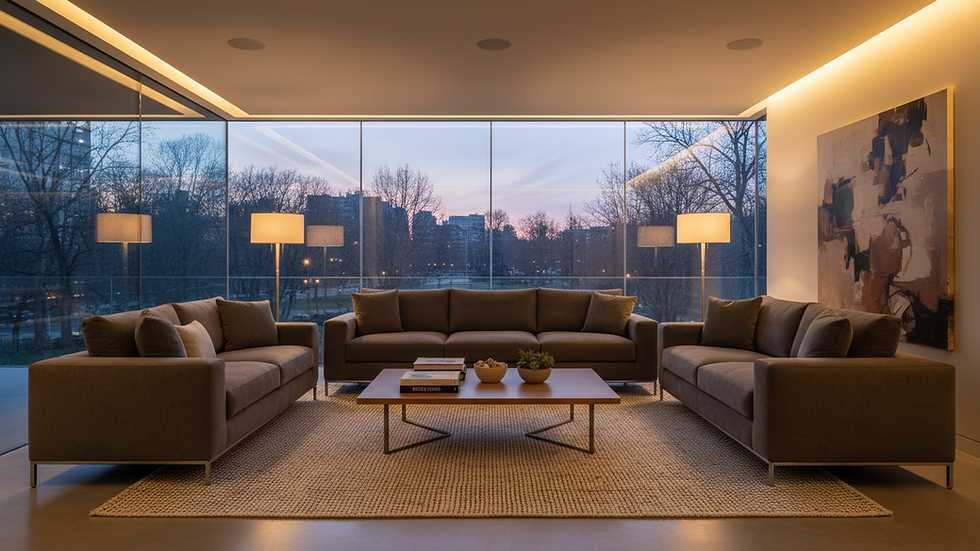
Selecting the Best LED Lighting for Ghanaian Homes
LED technology leads the market in energy efficiency and durability. When selecting LED lighting, consider:
Color temperature: Measured in Kelvins (K), it affects ambiance. 2700K-3000K offers warm light; 4000K-5000K provides neutral to cool light.
CRI (Color Rendering Index): A CRI above 80 ensures colors appear natural.
Wattage and lumens: Match brightness needs without excess power use.
Brand reliability and warranty: Choose products with proven quality and support.
In Ghana, where power fluctuations occur, opt for LEDs with built-in surge protection. This extends lifespan and maintains performance.
For bulk purchases or specialized lighting needs, I recommend consulting phich electricals. They provide affordable retail and wholesale LED solutions tailored to local conditions, backed by expert advice and after-sales service.
Integrating Smart Lighting for Enhanced Efficiency
Smart lighting systems offer advanced control and customization. Features include:
Remote control via smartphone apps
Scheduling and automation
Adaptive brightness based on ambient light
Energy usage monitoring
Smart bulbs and switches can reduce waste by ensuring lights operate only when needed. For example, setting lights to dim during daytime or turn off automatically when rooms are empty.
While initial costs are higher, smart lighting pays off through energy savings and convenience. It suits tech-savvy homeowners and those seeking modern, sustainable living.

Maintenance and Safety Considerations
Energy-efficient lighting requires minimal upkeep but some practices ensure longevity and safety:
Clean fixtures regularly: Dust reduces light output.
Avoid frequent switching: LEDs handle on/off cycles better than CFLs, but excessive switching can shorten lifespan.
Use compatible dimmers: Not all dimmers work with LEDs.
Check wiring and sockets: Ensure safe installation to prevent electrical hazards.
Dispose of CFLs properly: They contain small amounts of mercury and require special handling.
Routine inspection and professional installation enhance performance and safety.
Lighting Design to Maximize Efficiency and Comfort
Good lighting design balances function and aesthetics. Consider layering light sources:
Ambient lighting: General illumination for overall visibility.
Task lighting: Focused light for activities like reading or cooking.
Accent lighting: Highlights artwork or architectural features.
Use reflective surfaces and light colors on walls to amplify illumination. Position fixtures to minimize shadows and glare.
Incorporate energy-efficient lighting into architectural plans or renovations. This approach optimizes natural and artificial light synergy, reducing energy use and enhancing comfort.
Moving Forward with Energy-Efficient Lighting Solutions
Adopting energy-efficient lighting solutions transforms Ghanaian homes. It cuts costs, improves quality of life, and supports environmental goals. By selecting the right products, integrating smart controls, and maintaining systems properly, homeowners achieve lasting benefits.
Explore options from trusted suppliers like phich electricals to access quality LED lighting and expert guidance. Invest in lighting that works smarter, not harder, for your home.
Lighting is more than illumination - it is an essential element of modern living. Choose efficiency. Choose sustainability. Choose brilliance.


Comments